Mammography made personal
Free Mammogram Program
Monroe County Hospital & Clinics offers free mammograms to patients who do not have insurance or who have insurance that will not pay for a mammogram. Patients are required to fill out financial information to be approved through the Business Office. For more information on this program, please call the Radiology Department or Business Office.
Accreditation
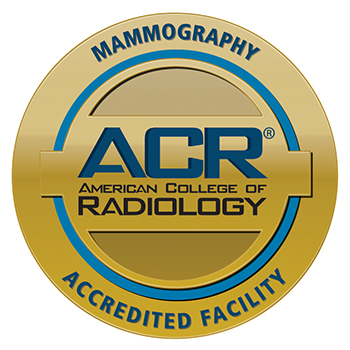
The MCHC Mammography program is accredited by the American College of Radiology (ACR). The ACR gold seal of accreditation represents the highest level of image quality and patient safety. It is awarded only to facilities meeting the ACR Practice Parameters and Technical Standards after a peer-review evaluation by board-certified physicians and medical physicists who are experts in the field of mammography. Image quality, personnel qualifications, adequacy of equipment, quality control procedures and quality assurance programs are assessed.
Taking an active role in breast health starts with knowing your own breasts
BECOME FAMILIAR WITH your breasts’ usual appearance and feel, and pay attention to changes over time. While routine breast self-exams are not recommended as a formal screening test (it does not replace mammography), breast self-awareness can help women recognize changes that are unusual for them.
Understand Natural Changes
One patient taught me an important lesson about this years ago. She told me that her breasts became more lumpy at certain times during her menstrual cycle, but that the changes resolved afterward. Her experience highlighted the importance of understanding how breasts can naturally change throughout the month. For women who menstruate, becoming familiar with how the breasts feel at different points in the menstrual cycle can make it easier to distinguish normal hormonal changes from a new or persistent abnormality.
Screening mammography is an important tool for detecting breast cancer before symptoms develop. For women at average risk, routine screening typically begins at age 40, although the appropriate screening schedule may vary based on individual risk factors and current guidelines.
Work Together with Your Doctor
Any new or persistent breast abnormality should be evaluated by a healthcare professional. This may include a new lump, a persistent change in the breast, changes in the skin or nipple, or unusual nipple discharge. Most breast changes are not cancer, but persistent or concerning findings should not be ignored. It is also important to understand your individual breast cancer risk. Women with a strong family history of breast or ovarian cancer, or those with a known hereditary cancer syndrome, may benefit from earlier and more intensive screening. Depending on their level of risk, additional imaging such as breast MRI and genetic counseling or testing may be appropriate.
Finally, healthy lifestyle choices can contribute to overall breast health and may reduce the risk of developing breast cancer. Maintaining a healthy weight, engaging in regular physical activity, and limiting alcohol use are practical steps women can take as part of a comprehensive approach to prevention.
Early detection does not mean being fearful of every change. It means knowing what is normal for you, participating in recommended screening, understanding your personal risk, and speaking with your healthcare provider when something changes.
What does this mean to you as the patient?
- Our facility has voluntarily gone through a vigorous review process to ensure we meet nationally accepted standards of care.
- Our personnel are well qualified, through education and certification, to perform medical imaging, interpret your images, and administer your radiation safely.
- Our equipment is appropriate for the test you will receive, and our facility meets or exceeds quality assurance and safety guidelines.
Breast Density
Beginning January 1, 2018 with the enactment of Iowa law (SF250), all Iowa facilities that provide mammography service are required by law to notify patients of their breast density. This new regulation was mandated by the Iowa Department of Public Health.
Breast density is determined through a woman’s mammogram and described as one of four categories. Forty percent of women age 40 and over have dense breasts. Cancer is 4-6 times more likely in women with extremely dense breasts than in women with fatty breasts.
MCHC is committed to educating our patients about breast density. When having a mammogram, the radiologist will determine a patients’ breast density. This density category is reported in the mammogram report to the provider and is included in the result letter mailed to the patient.
For more information on breast density visit https://www.iowabreastdensity.com/ or contact a Mammography technologist at MCHC.
Mammography exams are performed Monday-Friday 8:00 am -4:30 pm. Please call 641-932-1721 to schedule yours today.
Mammography Team

Wendy Dyson, RT (R)(M)
Mammography Technologist