Gary Gansen DPM has been providing foot and ankle services at MCHC since September 2020. He is currently seeing patients and performing surgeries on Tuesday, Thursdays and Fridays. Dr. Gansen uses a wide array of techniques and tools to heal foot conditions
Specialty: Foot & Ankle Surgeon/Podiatry
Contact: 641.932.1678
Dr. Gansen sees patients for the following conditions:
- Fractures
- Sprains
- Strains
- Injuries
- Arthritis
- Tendinitis
- Flat foot
- High arched foot
- Plantar fasciitis
- Heel pain
- Bunions
- Hammertoes
- Gout
- Ingrown nails
- Athlete’s foot
- Infections
- Warts
- Corns/calluses

Dr. Gansen uses a wide array of techniques and tools to heal foot conditions and perform surgical procedures.
The following are two innovative products he uses to heal wounds and correct foot deformities:
Kerecis - Intact Fish Skin for Tissue Regeneration
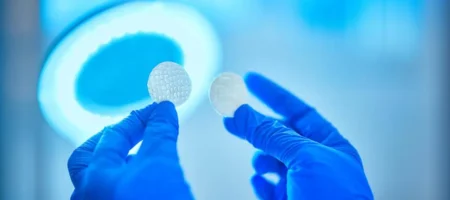
Kerecis is a fish skin graft used to help heal wounds. Specifically , the North Atlantic cod. Fish skin is incredibly similar to human skin in structure.
Treace Medical Concepts
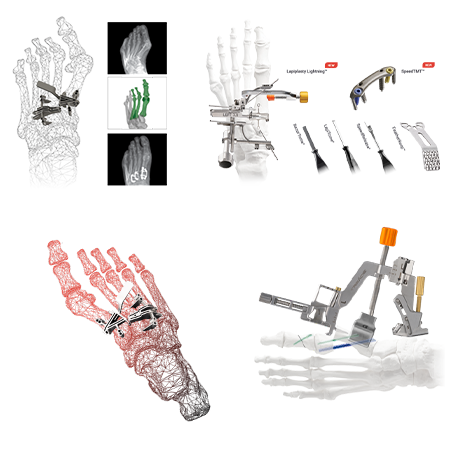
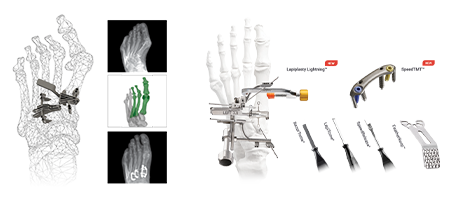
Treace Medical Concepts is a constantly advancing medical device company that began with bunion correction but now includes many options for correction to a multitude of foot deformities.
Kerecis - Providing a Toolbox for Better Care
I have utilized Kerecis as a wound healing product for 3 years now. It has been a wonderful addition to my practice helping heal wounds at a quicker rate than other products. I was selected as an Aurora Award Winner to present one of my cases in Iceland at the Northern Lights Wound Workshop in 2025.
Frequently Asked Questions About Kerecis with Dr. Gansen:
What is Kerecis?
Kerecis is a fish skin graft used to help heal wounds. Specifically , the North Atlantic cod. Fish skin is incredibly similar to human skin in structure.
What is your experience with it?
I have utilized Kerecis as a wound healing product for 3 years now. It has been a wonderful addition to my practice helping heal wounds at a quicker rate than other products. I was selected as an Aurora Award Winner to present one of my cases in Iceland at the Northern Lights Wound Workshop in 2025.
Who is a good candidate for Kerecis?
Anyone with a slow healing wound that has plateaued with standard wound care.
How do you apply it?
Kerecis is applied in the OR, generally without anesthesia, unless needed. Debridement of the wound is required prior to the application of the graft. It is often applied without the need for sutures or staples.

An award-winning event at the Northern Lights Wound Workshop (2025) in Iceland for Dr. Gansen!
Treace Outreach
Treace Medical Concepts is a constantly advancing medical device company that began with bunion correction but now includes many options for correction to a multitude of foot deformities.
I was fortunate to train under the surgeon who helped pioneer our modern thinking of bunion correction. With that training, I have been heavily involved in new product releases and feedback to continue to advance our understanding and treatment of multiple different foot conditions.
Frequently Asked Questions About Kerecis with Dr. Gansen:
What is it?
Treace Medical Concepts is a constantly advancing medical device company that began with bunion correction but now includes many options for correction to a multitude of foot deformities.
What is your experience with it?
I was fortunate to train under the surgeon who helped pioneer our modern thinking of bunion correction. With that training, I have been heavily involved in new product releases and feedback to continue to advance our understanding and treatment of multiple different foot conditions.
What is the recovery time?
For Lapiplasty and Adductoplasty, the timeline for recovery includes 2 weeks of limited partial weightbearing in a cam boot. Total time in the boot is generally 6-8 weeks. Most patients are back in shoes with normal daily walking at 8-10 weeks.
Why do you like this method?
With new PSI (patient specific instrumentation), this method now allows us to create cut guides specifically to the patient’s anatomy which allows for precise correction of the deformity. This leads to less OR time, more consistent correction, and better outcomes.